Visit Agency
Media Cart (0) Log in / Sign up
Welcome to the brand page for
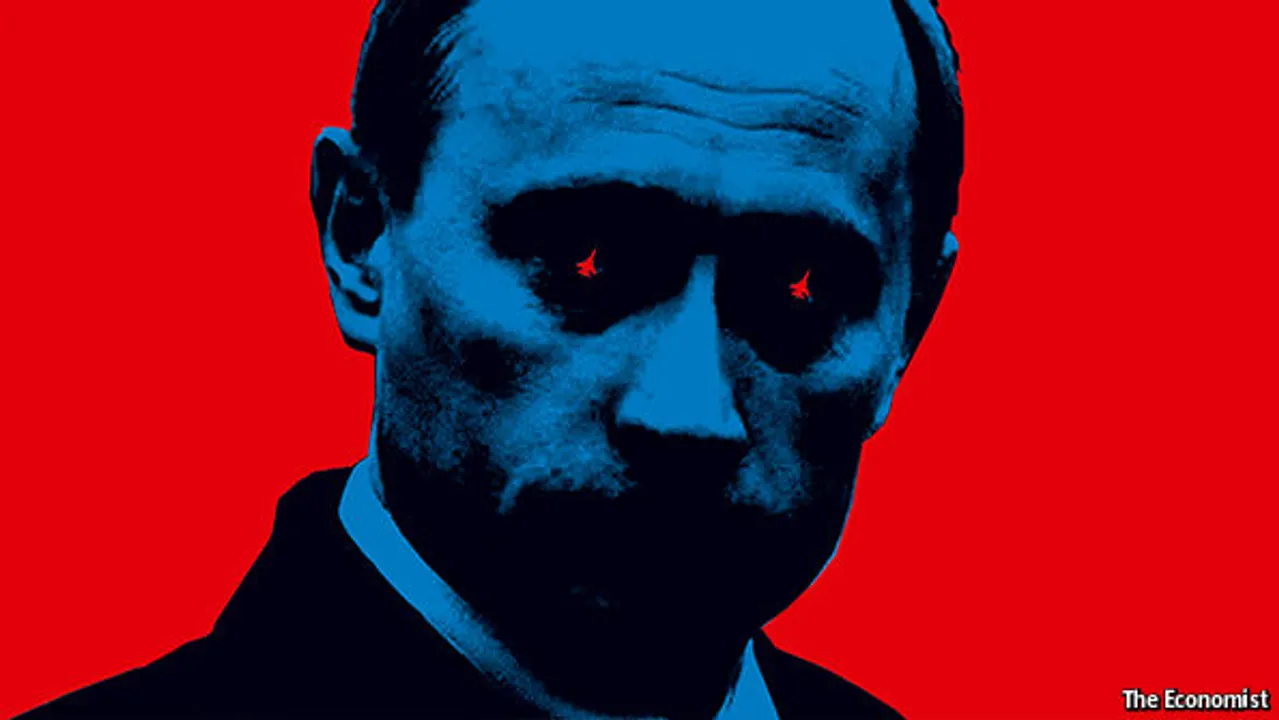
Russia’s perceived resurgence is a sign of deep weakness and insecurity, says The Economist’s latest special report

Business Finance, Consumer, Government, Business Finance, Government, Consumer

Russia’s perceived resurgence is a sign of deep weakness and insecurity, says The Economist’s latest special report

When the Soviet Union collapsed 25 years ago, Russia looked set to become a free-market democracy. Today Russia is seen as a resurgent imperial power. In this week’s Economist special report, “Inside the bear”, the paper’s Russia and Eastern Europe Editor

When the Soviet Union collapsed 25 years ago, Russia looked set to become a free-market democracy. Today Russia is seen as a resurgent imperial power. In this week’s Economist special report, “Inside the bear”, the paper’s Russia and Eastern Europe Editor, Arkady Ostrovsky, explains why both these views are wrong and explores whether the West has a Vladimir Putin problem or a Russia problem. The report takes an in-depth look at Russia’s economy, power structures, foreign policy and modern life.

Key report (http://econ.st/2dGFPFt) highlights:

The wars in Georgia, Ukraine and Syria have demonstrated Russia’s willingness and ability to use its military power to achieve political goals. But this is not a sign of Russia’s strength; instead it indicates deep insecurity and weakness Weakness does not make Russia safer, it makes it more dangerous. Mr Putin knows he cannot afford a conventional war with the West, but he could quickly raise the stakes, even to the verge of a nuclear war, expecting the other side always to blink first Mr Putin believes that by centralising Russia and restoring a Soviet-era state, he has made the country stronger. In fact, he has created the conditions for weakening it further The core conflict in Russia today is between an anachronistic, corrupt state and a large, competitive and modern middles class which has no political representation in the current authoritarian model Russia’s information warfare against the West, including the use of RT, a Russian television network for audiences outside the country, feeds on the weaknesses of the West After nearly a decade of economic growth spurred by the market reforms of the 1990s and by rising oil prices, the Russian economy has descended into Soviet-era stagnation. The rules have become even less clear and the fight for resources has turned more brutal, driven by connections, special access and deals Unless Russia can resume the transformation into a modern nation state that began in 1991, what Mr Putin tries to present as his country’s resurgence may turn out to be one of the last phases of its decline

Arkady Ostrovsky is the winner of the 2016 Orwell Prize for books. He is the author of “The Invention of Russia: A Journey from Gorbachev’s Freedom to Putin’s War”

About The Economist (www.economist.com) With a growing global circulation and a reputation for insightful analysis and perspective on every aspect of world events, The Economist is one of the most widely recognised and well-read current affairs publications. The paper covers politics, business, science and technology, and books and arts, concluding each week with the obituary. In addition to the web-only content such as blogs, debates and audio/video programmes available on the website, The Economist is available to download for reading on Android, Blackberry PlayBook, iPhone or iPad devices. The Economist Espresso, our daily briefing smartphone app, is also available for download via iTunes App Store or Google Play.

Other stories

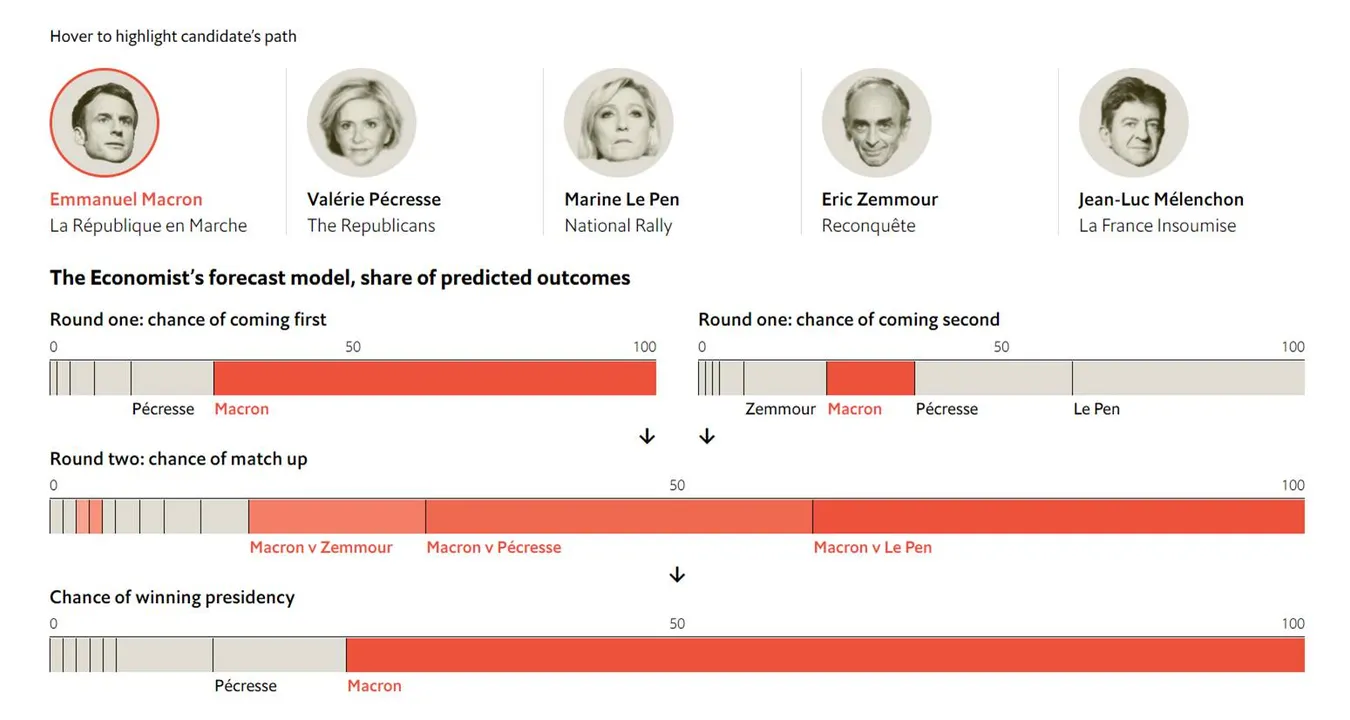
The Economist’s French presidential election model forecasts a 79% chance of victory for Emmanuel Macron; potentially serious challenge from Valérie Pécresse

The Economist’s French presidential election model forecasts a 79% chance of victory for Emmanuel Macron; potentially serious challenge from Valérie Pécresse

Read more

New research reveals business leaders and employees hold differing views on how the pandemic has affected work-life balance and productivity

New research reveals business leaders and employees hold differing views on how the pandemic has affected work-life balance and productivity

Read more
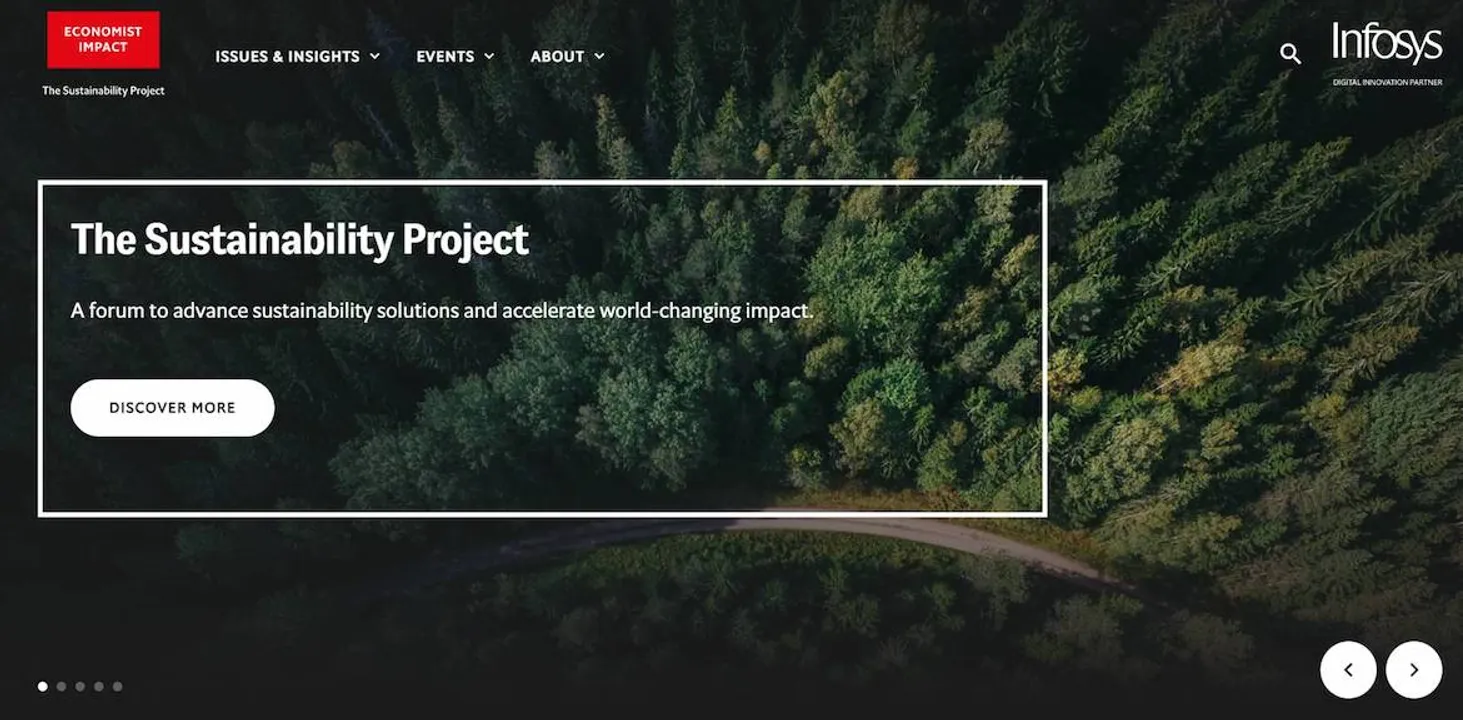
Economist Impact launches The Sustainability Project

Economist Impact launches The Sustainability Project

Read more
Statement from The Economist's Editor-in-Chief

Statement from The Economist's Editor-in-Chief

Read more