2 February 2022
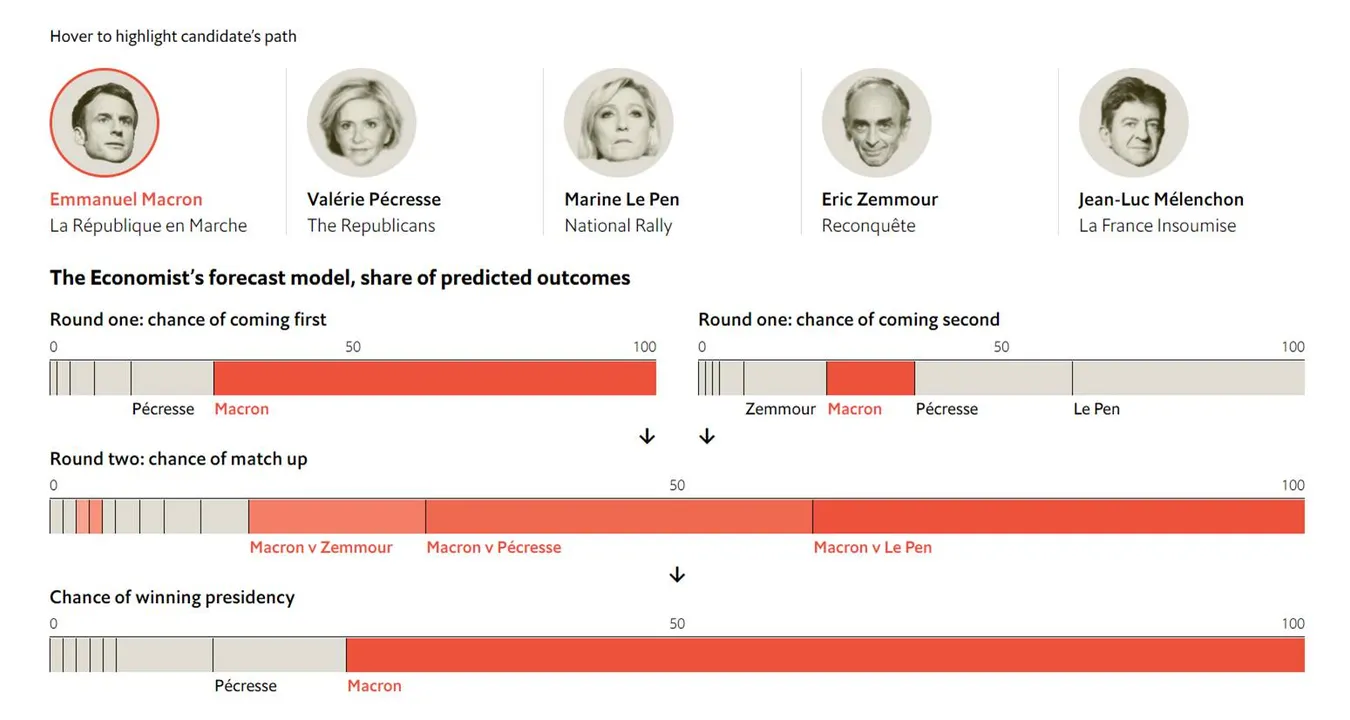
The Economist’s French presidential election model forecasts a 79% chance of victory for Emmanuel Macron; potentially serious challenge from Valérie Pécresse
Read more

Government, Non Profit, Technology, Government, Non Profit, Public Sector, Technology
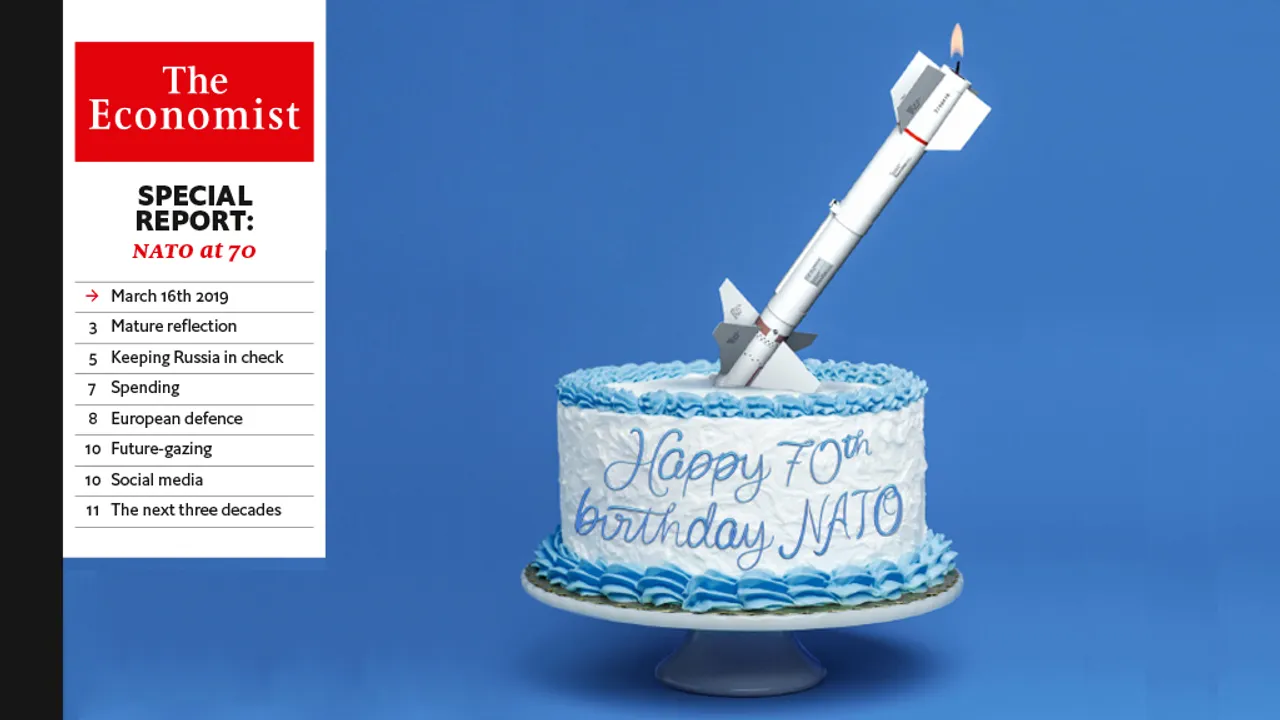
LONDON, UNITED KINGDOM - March 14th, 2019 - “NATO at 70”, a new special report from The Economist published in the March 16th edition and online at economist.com, runs a health check of the organisation and assesses the alliance’s chances of surviving its 70s and making it to 100. It is the world’s most successful military alliance, yet it faces existential threats from the ambivalent attitude to it of Donald Trump’s America, the absence of a galvanising enemy such as the Soviet Union and questions about its relevance to the emerging security challenges beyond NATO’s core remit in Europe. Daniel Franklin, diplomatic editor, says NATO deserves a resounding “happy birthday” when it turns 70 in April 2019. It kept the peace for 40 years of cold war, protected western Europe from communism, helped stabilise central Europe after the Soviet Union’s collapse and enabled unprecedented prosperity. Since Russia’s annexation of Crimea in 2014 it has turned back to its central mission of collective defence with impressive vigour. This special report looks at how NATO needs to change in order to remain vigorous. In the short term the wild card remains Mr Trump. For two years the allies were reassured by the presence around him of NATO-friendly “adults in the room”, especially generals such as James Mattis, the defence secretary. The allies were grateful for Mr Mattis’s efforts to beef up NATO. But Mr Mattis quit in December. His resignation letter pointedly stressed the importance of “treating allies with respect”. The longer-term task for NATO, says Mr Franklin, is to adjust to big shifts in geopolitics. As China rises, challenging America’s interests around the world, it will take up ever more of America’s attention and resources. That process started before the Trump presidency, and will continue and intensify far beyond it. How can the transatlantic alliance hold together as America becomes less focused on Europe and more immersed in Asia? That is a vital question, but so far NATO has barely started tackling it. Still, it would be foolish to underestimate NATO’s ability to reinvent itself. You can read the full report here. For more information and to interview Daniel Franklin on this topic, please contact: Holly Donahue/The Economist (UK), hollydonahue@economist.com /+44 (0) 20 7576 8379 About The Economist (www.economist.com) With a growing global audience and a reputation for insightful analysis and perspective on every aspect of world events, The Economist is one of the most widely recognised and well-read current affairs publications in the world. In addition to the weekly print and digital editions and website, The Economist publishes Espresso, a daily news app, Global Business Review, a bilingual English-Chinese product and Economist VR, a virtual-reality app. Economist Radio produces several podcasts a week and Economist Films produces short- and long-form video. The Economist
Tom Amos/The Economist (US), tomamos@economist.com /+1 212 541 0583
2 February 2022
2 February 2022

17 November 2021
12 November 2021