1 September 2026
Un.Scrolled - Episode Two
Read more

Founder's Voice, Press and Media Coverage
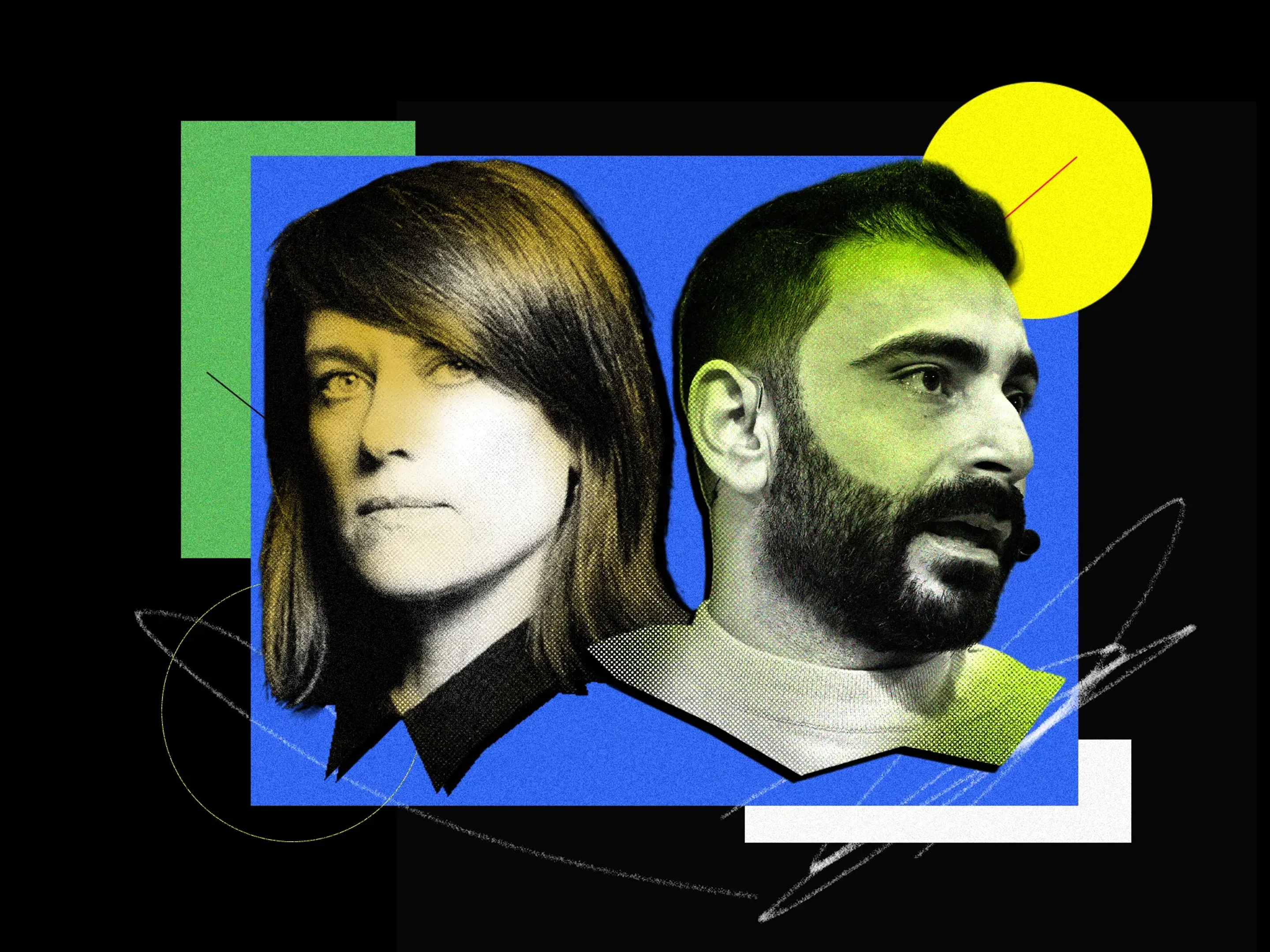
Issam Hijazi has never positioned UpScrolled as just another social platform, and in the wake of his recent WIRED interview, it’s becoming increasingly clear why the platform is gaining traction at such speed.
What began as a personal response to a growing discomfort with the tech industry has quickly evolved into one of the fastest-growing social platforms globally. Millions of users have joined in under a year, drawn not by novelty, but by a sense that something fundamental has been missing from the way social media operates today.
For Hijazi, the shift didn’t happen overnight. It was a gradual unravelling, a period that forced a more honest reflection on both the industry and his place within it, one that, as he puts it, “dropped a lot of the masks” around him.
After nearly two decades working across major tech companies, including IBM and Oracle, the realisation became harder to ignore. The gap between what platforms claimed to stand for and how they actually operated had widened to the point where continuing within that system began to feel untenable, leaving him feeling “complicit just working for them” and ultimately pushing him to step away entirely.
UpScrolled was not built in the conventional sense. There was no large founding team or carefully staged rollout, but rather a rapid, often relentless process shaped by urgency as much as intention, to the point where Issam admits he “hasn’t slept properly” since, carrying what was, in reality, a one-man effort through its earliest and most critical stages.
That intensity speaks to something deeper than growth metrics. It reflects a founder responding in real time to both global events and a growing disillusionment with the mechanics of modern platforms, particularly systems that, in his view, have “made us addicted to something that has no value.”
It’s a stark way of framing it, yet one that resonates with a broader shift in user sentiment, where the promise of connection increasingly feels replaced by something more engineered, more transactional, and ultimately less meaningful.
UpScrolled’s approach is a deliberate departure from that model. Rather than optimising for attention, it leans into transparency and user control, underpinned by a simple but firm principle that social media should serve people, not shape them, a belief Hijazi distils succinctly in saying that the platform is “pro-humanity” and that “everyone is welcome.”
That philosophy becomes more complex when applied to moderation, an area where many platforms have struggled to strike a credible balance. Here, the line is clear, tech has a role, but it’s not the final authority, with Hijazi insisting that while “AI can detect”, the decision itself must remain human, always.
The same thinking extends into how the platform approaches monetisation, where the boundaries are more deliberately drawn than in much of the industry. Businesses that are “complicit in bad things around the world” are not given a place within the ecosystem, reflecting a broader effort to ensure that commercial decisions do not quietly contradict the values the platform is built on.
It’s this alignment, between what a platform stands for and how it operates, that begins to shape a deeper question around the role social media plays in people’s lives, and what users are ultimately choosing to engage with.
“Would you hang a picture of your perpetrator in the living room?”
It is a question that lingers, cutting through the technical language and forcing a more human reflection on the relationship people have with the platforms they engage with every day.
That tension, between convenience and awareness, between habit and intention, sits at the heart of UpScrolled’s rapid rise, reflecting a broader shift in how people are beginning to think about social media, not just as something they use, but something they expect more from.
Increasingly, that expectation centres on greater transparency, more control, and a clearer sense of purpose in how platforms operate, and the role they play in shaping online experiences. In that context, UpScrolled is not attempting to compete on the same terms as the platforms that came before it. It’s building something more considered, more deliberate, and more aligned with the people it is designed to serve, and in doing so, it is helping to reshape expectations of what social media can be.
Read the full WIRED interview
Listen on Apple Podcasts
Listen on Spotify
Download UpScrolled:
1 September 2026

20 August 2026
12 August 2026
3 August 2026